
From Brown to Green: Your Guide to Reviving Your Lawn After a Tough Iowa Winter
After a long, cold Iowa winter, the first signs of spring are a welcome sight. But as the last of the snow melts away, the view of your lawn can be less than inspiring. It's often a patchwork of brown, matted-down spots and thin areas that leave you wondering if it will ever recover. The good news is that a lush, green lawn is absolutely achievable. It just needs a little help waking up from its long winter nap.
Many homeowners in Southwest Iowa feel overwhelmed by the task of spring lawn recovery. It's more than just firing up the mower; it's about understanding what your turf needs to thrive after months of stress. This guide will walk you through the essential steps to revive your lawn, from assessing the damage to laying the groundwork for a healthy season. We'll cover the key techniques that professionals use to turn tired, winter-worn grass into a beautiful, resilient lawn you can enjoy all summer.
Step 1: Assess the Winter Damage
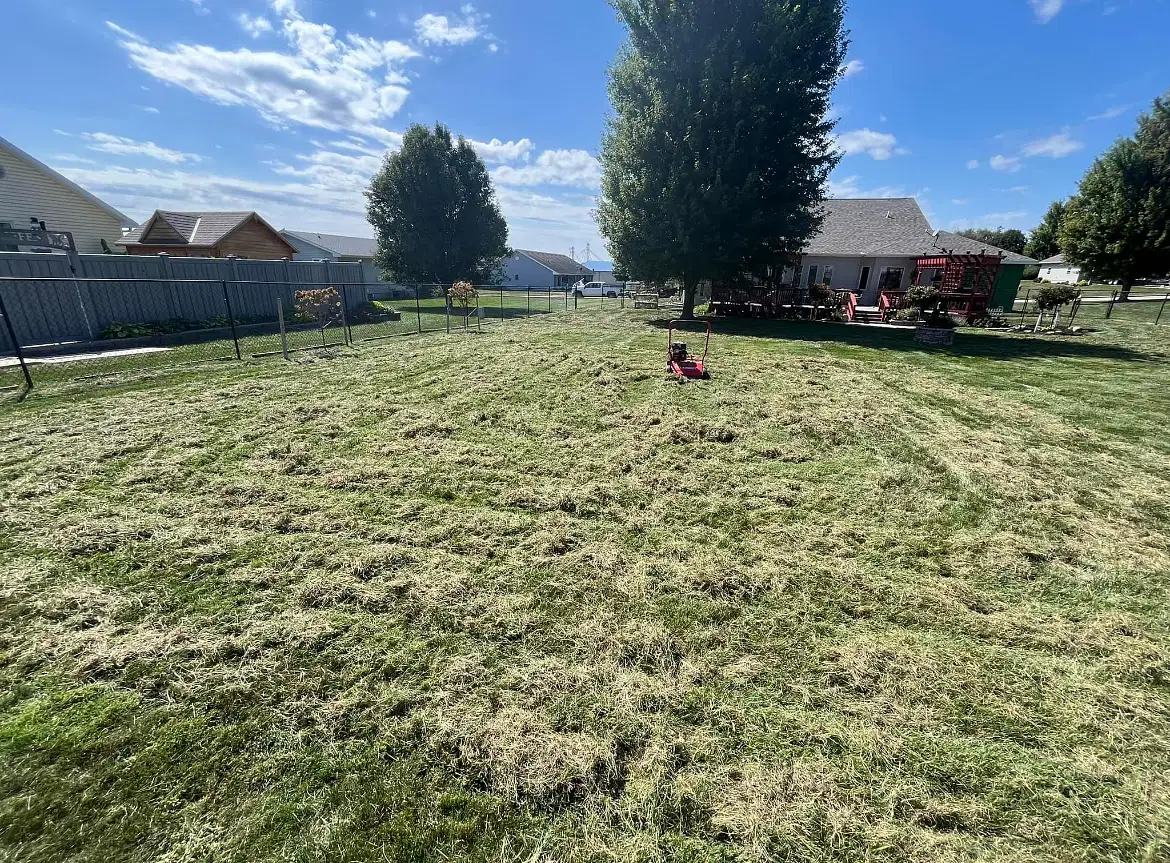
Before you can create a plan of action, you need to know what you're dealing with. Winter can be tough on turf, leading to several common issues. Take a walk around your property and look for:
- Compacted Soil: Heavy snow and ice can press down on the soil, making it dense and hard. This compaction restricts the flow of air, water, and nutrients to the grass roots, essentially suffocating them.
- Snow Mold: This is a fungal disease that looks like circular patches of gray or pinkish matted-down grass. While often just a surface issue, it's a sign that your lawn needs to breathe.
- Thatch Buildup: Thatch is a layer of dead grass, roots, and other organic debris that accumulates between the soil surface and the green grass blades. A thick layer can prevent moisture and nutrients from reaching the soil.
- Bare or Thin Patches: These can be caused by everything from foot traffic on frozen grass to damage from de-icing salt used on nearby walkways or driveways.
Understanding the specific problems your lawn is facing is the first step toward a targeted, effective recovery. A little detective work now will save you time and effort later.
Step 2: Help Your Lawn Breathe with Dethatching and Aeration
If your assessment revealed compacted soil or a thick layer of thatch (more than half an inch), your lawn is struggling to breathe. Dethatching and core aeration are two of the most impactful services you can perform to set your lawn up for success.
Dethatching involves using a specialized machine to remove that thick, suffocating layer of dead material. This immediately improves your lawn's access to the essentials: sunlight, water, and air. Think of it as a deep exfoliation for your yard.
Core Aeration is the process of pulling small plugs of soil out of the lawn. This might sound counterintuitive, but it's incredibly beneficial. Aeration relieves soil compaction, allowing roots to grow deeper and stronger. These new channels also create the perfect entry point for water, oxygen, and fertilizer to penetrate the root zone where they're needed most.
Together, these two steps create the ideal foundation for new growth. You can learn more about our professional approach to dethatching, aeration, and overseeding and how it can transform your turf.
Step 3: Thicken Your Turf with Overseeding
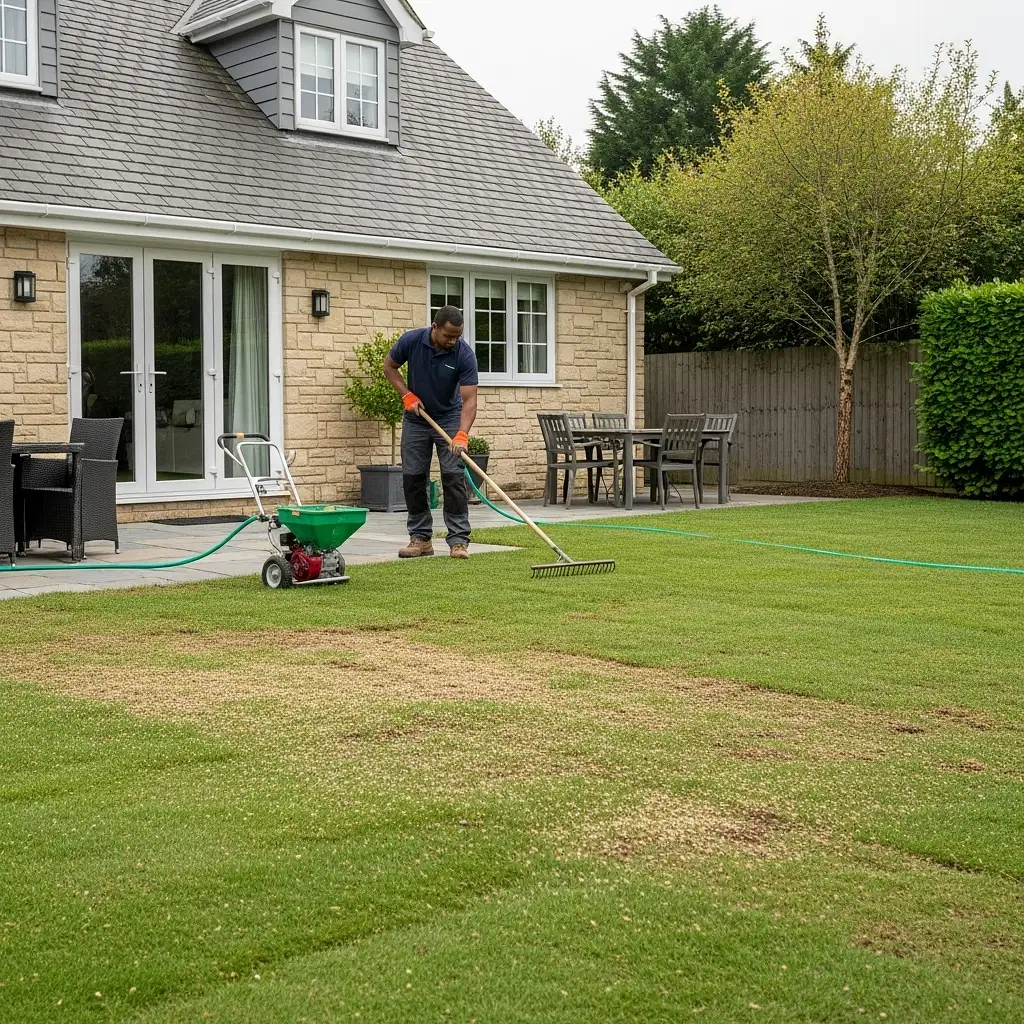
With your lawn prepped and ready, it's time to address those thin and bare spots. Overseeding is the simple process of spreading new grass seed over your existing lawn. When combined with aeration, the seeds fall into the holes, giving them excellent seed-to-soil contact and a protected space to germinate.
Choosing the right seed is critical for our climate. In Iowa, cool-season grasses perform best. A high-quality blend of Kentucky Bluegrass, perennial ryegrass, and tall fescue will create a durable, attractive lawn that can handle our hot summers and cold winters. This process not only fills in patches but also introduces new, vigorous grass varieties, making your entire lawn thicker and more resilient against weeds and disease.
For areas with extensive damage where you want an immediate result, sod installation is another excellent option. It provides an instant, mature lawn, giving you a beautiful green carpet from day one.
Step 4: Nourish and Maintain for Season-Long Health
Once your lawn is breathing and newly seeded, the final step is to give it the right food. A balanced, slow-release spring fertilizer provides the essential nutrients to kickstart strong root and blade development. This helps the existing grass recover and gives the new seedlings the energy they need to mature.
Reviving your lawn is a process, but it's also the start of a season-long commitment. Consistent care is what keeps it looking its best. A proper mowing schedule, adequate watering, and a proactive approach to weed and pest control will protect your investment and ensure the hard work you put in this spring pays off all year.
Following a comprehensive lawn care program is the best way to maintain the health and beauty of your property, ensuring it remains a source of pride and enjoyment.
Bring Your Lawn Back to Life with MLC
A beautiful lawn enhances your home's curb appeal and gives you a wonderful space to relax and play. While reviving a lawn after a harsh winter takes some work, following these steps—assessing the damage, dethatching and aerating, overseeding, and proper fertilization—will set you on the right path.
If you'd rather leave it to the experts, MLC is here to help. With over 10 years of experience and a commitment to quality, reliability, and customer service, we provide professional lawn restoration for homeowners throughout Southwest Iowa. We have the knowledge and equipment to bring your lawn back to its full potential.
Ready to transform your turf from brown to green? Contact us today for a consultation and let's get your lawn ready for a great season.