
Protecting Your Turf: How to Prevent Snow Mold in Winter
As the harvest season wraps up and the temperatures drop across Southwest Iowa, it is incredibly tempting to park the mower in the shed and forget about your yard until spring. After all, once the first hard freeze hits, the grass goes dormant. But while you are inside enjoying a warm supper with your family, a hidden threat could be brewing right under the frost. Winter weather brings its own unique set of challenges to your property, and one of the most frustrating is snow mold.
For many homeowners, the true extent of winter lawn damage remains hidden until the snow melts. You expect to see a sleepy, dormant yard waiting for the spring sun, but instead, you might uncover matted, discolored patches of dying grass covered in a web-like fuzz. This is a heartbreaking scenario, especially if you have invested significant time and resources into your property throughout the summer.
Fortunately, with the right preparation and proactive landscaping strategies, you can protect your turf from these devastating winter fungi. Drawing from our decade of experience servicing the unique terrain of the Loess Hills and surrounding communities, we have put together this guide to help you safeguard your yard. By taking a few crucial steps before the first major snowfall, you can ensure your grass wakes up healthy, vibrant, and ready to thrive when spring finally arrives.

Understanding the Enemy: What Is Snow Mold?
Before we dive into the steps of how to prevent snow mold on lawn surfaces, it is helpful to understand what exactly we are fighting. Snow mold is a cold-weather fungal disease that damages or kills grass after snow melts. It thrives under the insulating blanket of winter snow, especially when that snow falls on ground that has not yet completely frozen, or when heavy, wet snow lingers for extended periods.
There are two primary types of this fungus that affect local yards:
-
Gray Snow Mold (Typhula blight): This variant typically only damages the blades of the grass. While it leaves unsightly, grayish-white circular patches across your yard, the roots and crowns generally survive. With proper spring care, grass affected by gray snow mold can usually recover.
-
Pink Snow Mold (Microdochium patch): This is the more severe of the two. It does not actually require snow cover to develop, just cool, wet conditions. Pink snow mold can attack the crown and roots of the grass plant, potentially killing the turf entirely. It leaves behind distinct patches with a pale pink or salmon-colored outer ring.
Both types of fungi survive the hot summer months as dormant structures in the soil or in the thatch layer of your yard. When the environmental conditions are just right—temperatures hovering just above freezing, high moisture, and a lack of sunlight due to heavy snow cover—these dormant spores activate and begin feeding on your grass. Preventing fungal lawn disease under snow is largely about altering those environmental conditions before the snow ever falls.
The Crucial Final Cut: Mowing Heights and Timing
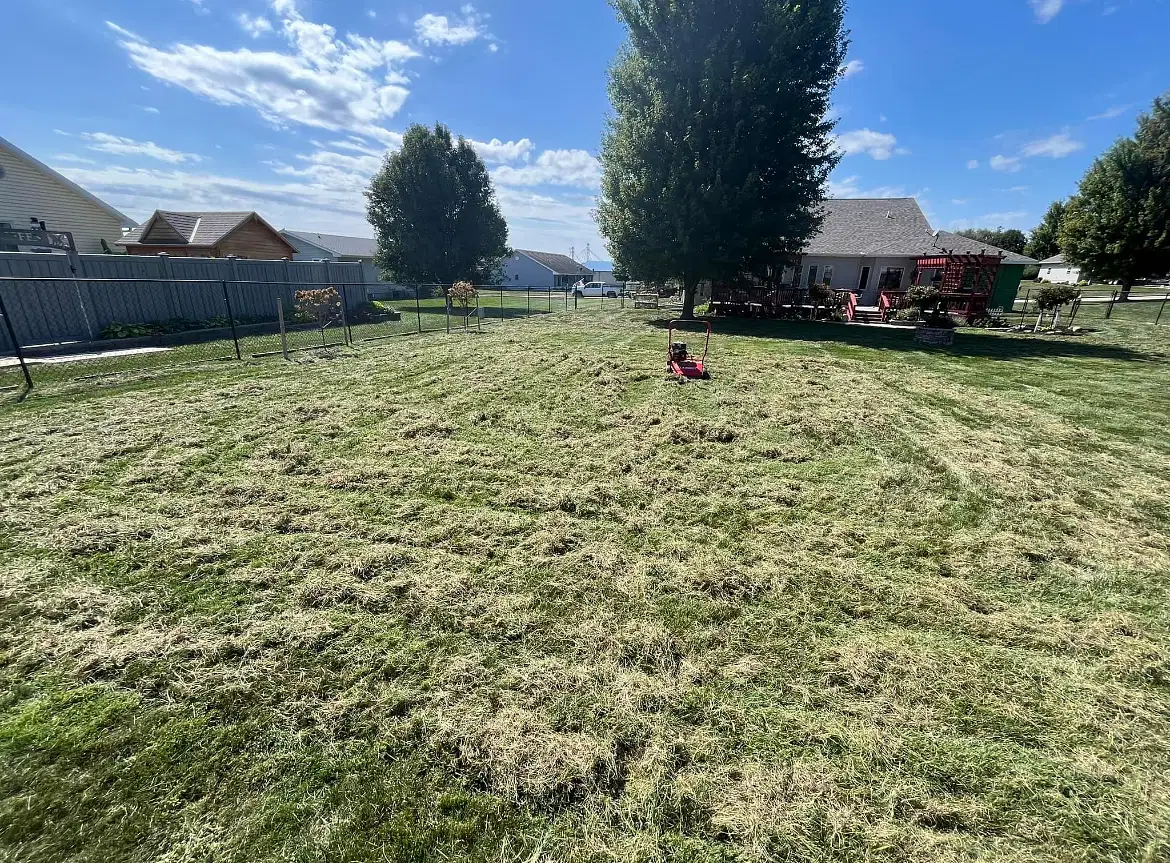
One of the most effective ways to defend your yard against winter fungal diseases is adjusting your mowing habits as the season comes to a close. As the weather cools, grass growth slows down, but you should not stop mowing entirely until the turf actually stops growing.
A common question we hear from homeowners is regarding the final mowing height before winter. If you leave your grass too long, the weight of the snow will cause the tall blades to bend over and mat down. This matted layer creates a dark, moist, and perfectly insulated incubator for fungal spores. On the other hand, cutting the grass too short can shock the root system and leave the crowns vulnerable to extreme freezing temperatures.
As a general best practice, you should gradually lower your mower deck over the last few weeks of autumn. Your final mowing height before winter should land right around 2 to 2.5 inches. This height is the sweet spot: it is short enough to prevent the grass from matting down under the weight of heavy ice and snow, but long enough to provide a buffer for the sensitive root crowns against deep freezes. Making sure your mower blades are freshly sharpened for these final cuts is also vital, as a clean cut heals faster and is less susceptible to disease than a ragged tear.
Clearing the Canvas: Why Leaf Removal Matters
Beyond mowing, the physical cleanliness of your yard plays a massive role in disease prevention. Many homeowners love the look of autumn leaves, but allowing them to sit on your yard through the winter is a recipe for disaster.
A thick layer of fallen leaves acts exactly like a wet blanket. It traps moisture against the soil, blocks any remaining sunlight, and suffocates the grass below. When combined with snow cover, this creates the ultimate breeding ground for both pink and gray snow mold. If you want to keep your turf healthy, meticulous leaf removal is not optional—it is a necessity.
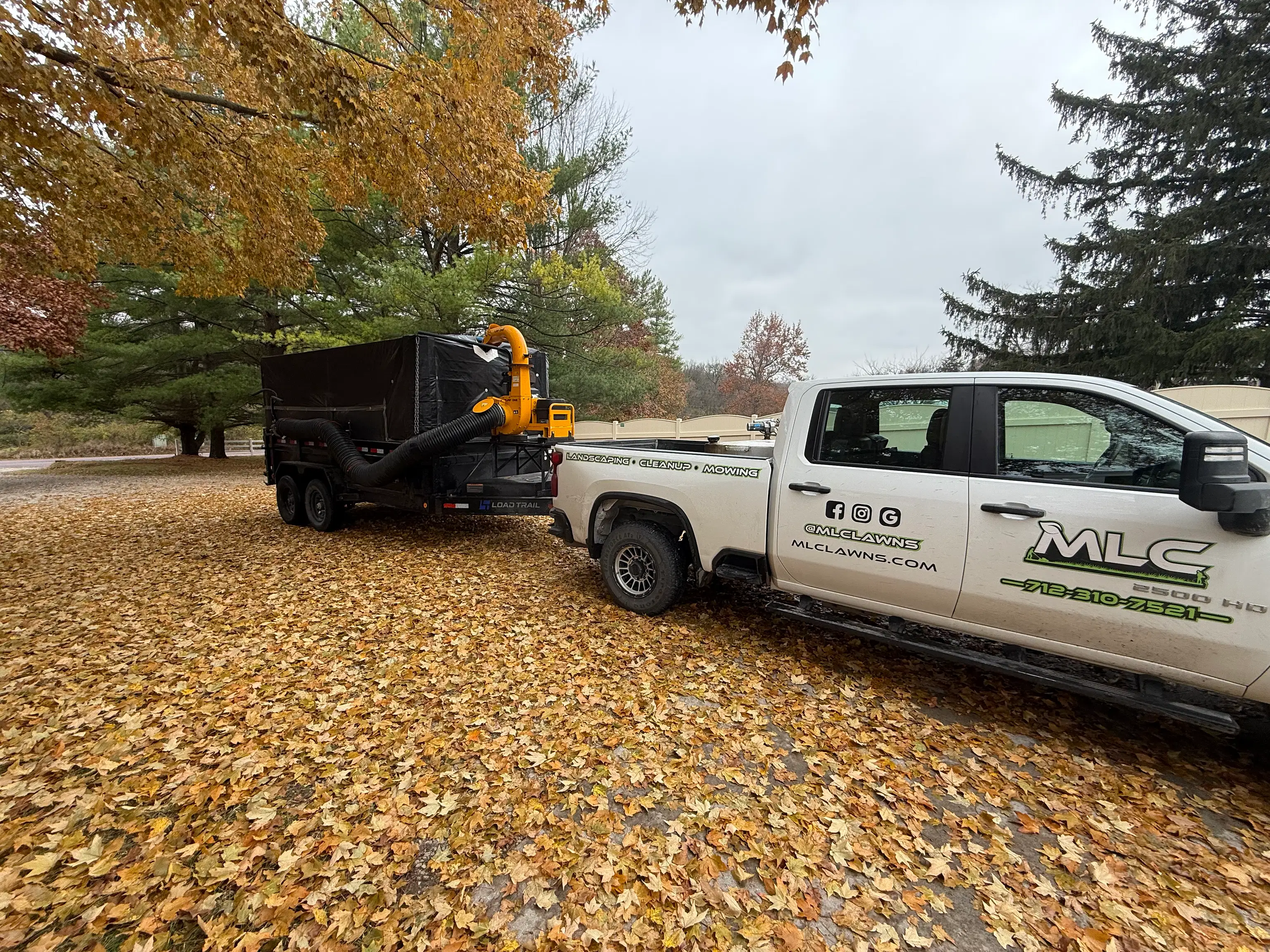
If you have a very light scattering of dry leaves, you might be able to mulch them into the turf with your mower. However, for moderate to heavy leaf coverage, they must be completely removed from the turf. Because we know how time-consuming this can be for busy families, we highly recommend scheduling a professional seasonal cleanup. Getting all organic debris, including leaves, fallen branches, and dead plant matter, off the grass before the first blizzard is one of the most proactive steps you can take for your property's long-term health.
Managing Thatch and Late-Season Nitrogen
Another critical factor in winter lawn survival is managing the thatch layer. Thatch is the spongy layer of dead and living organic matter that builds up between the soil and the green grass blades. While a thin layer of thatch is normal and even beneficial, anything over half an inch becomes a sponge that holds excess moisture against the grass crowns. This soggy environment is where snow mold spores love to hibernate and multiply.
If your yard has a thick thatch layer, core aeration and dethatching in the early fall can dramatically reduce your risk of winter fungal issues. Breaking up that compacted organic matter improves drainage, meaning less standing water and less moisture trapped under the snowpack.
Additionally, you must be careful with late-season fertilization. While a winterizing fertilizer can help root development, applying a high-nitrogen fertilizer too late in the fall forces the grass to push out tender, new green growth right before a freeze. This succulent new growth is highly susceptible to fungal attacks. Quality landscaping services understand the precise timing and nutrient ratios required to feed the root system without promoting vulnerable top growth right before winter.
Partner with MLC for a Resilient Winter Yard
Standing out from other landscaping companies means going beyond simply making a yard look good in the summer; it means understanding the local soil, the harsh regional weather, and building landscapes that endure year-round. At MLC, we lean on over 10 years of industry experience and a philosophy of overbuilding our projects for maximum longevity. Our core values of exceptional customer service, reliability, and unparalleled quality work guide every seasonal maintenance plan we create.
Preventing winter lawn diseases requires consistent effort in the autumn months. From dialing in the perfect mowing height to ensuring your property is meticulously cleared of suffocating debris, the prep work you do now pays off immensely when the snow finally melts.
If you want to ensure your property is protected against winter damage but do not have the time to tackle the heavy lifting yourself, we are here to help. Reach out to MLC today to schedule professional lawn care and comprehensive fall maintenance. Let our licensed and insured team handle the seasonal transition so you can rest easy knowing your Southwest Iowa yard is ready to weather the storm.