
A Homeowner's Guide to Pest and Disease Management in Iowa Gardens
You’ve invested time, effort, and care into creating a beautiful landscape. Your lawn is lush, your flowers are blooming, and your shrubs are perfectly shaped. Then, one day, you notice it: strange spots on the leaves, a fine white powder on your phlox, or tiny insects making a meal of your prize-winning roses. It’s a frustrating sight for any homeowner. In Southwest Iowa, our unique climate of humid summers and harsh winters can create the perfect breeding ground for a variety of plant pests and diseases.
Keeping your garden healthy isn’t just about watering and weeding; it’s about proactive plant health management. Understanding the common threats and knowing how to respond can be the difference between a thriving oasis and a constant struggle. This guide will walk you through identifying common issues, implementing preventive strategies, and knowing when it’s time to call in the experts to protect your landscape investment.
Identifying Common Culprits in Your Yard
The first step to solving any problem is correctly identifying it. Many different pests and diseases can show similar symptoms, so a close look is essential. Here are a few common offenders we see in our region:
Common Pests:
- Japanese Beetles: These iridescent, copper-and-green beetles are notorious for skeletonizing leaves, turning lush foliage into a lace-like mess. They are not picky eaters and will attack over 300 types of plants, including roses, fruit trees, and lindens.
- Aphids: Small, pear-shaped insects that cluster on new growth, sucking the life out of your plants. They leave behind a sticky residue called “honeydew,” which can lead to sooty mold.
- Bagworms: You might mistake their cocoons for small pinecones hanging from your evergreens. The caterpillars inside can defoliate and kill branches or even entire trees if the infestation is severe.
Common Diseases:
- Powdery Mildew: This fungal disease looks exactly like its name suggests—a white, powdery coating on leaves and stems. It thrives in humid conditions and commonly affects plants like lilacs, bee balm, and squash.
- Dollar Spot: If you see small, silver-dollar-sized circles of dead, straw-colored grass on your lawn, you likely have dollar spot. It’s a common fungal issue, especially during warm, moist weather.
- Black Spot: A frequent problem for roses, this fungus creates black spots with fringed edges on leaves, which eventually turn yellow and drop off, weakening the plant.
The Best Defense: Proactive and Preventive Care
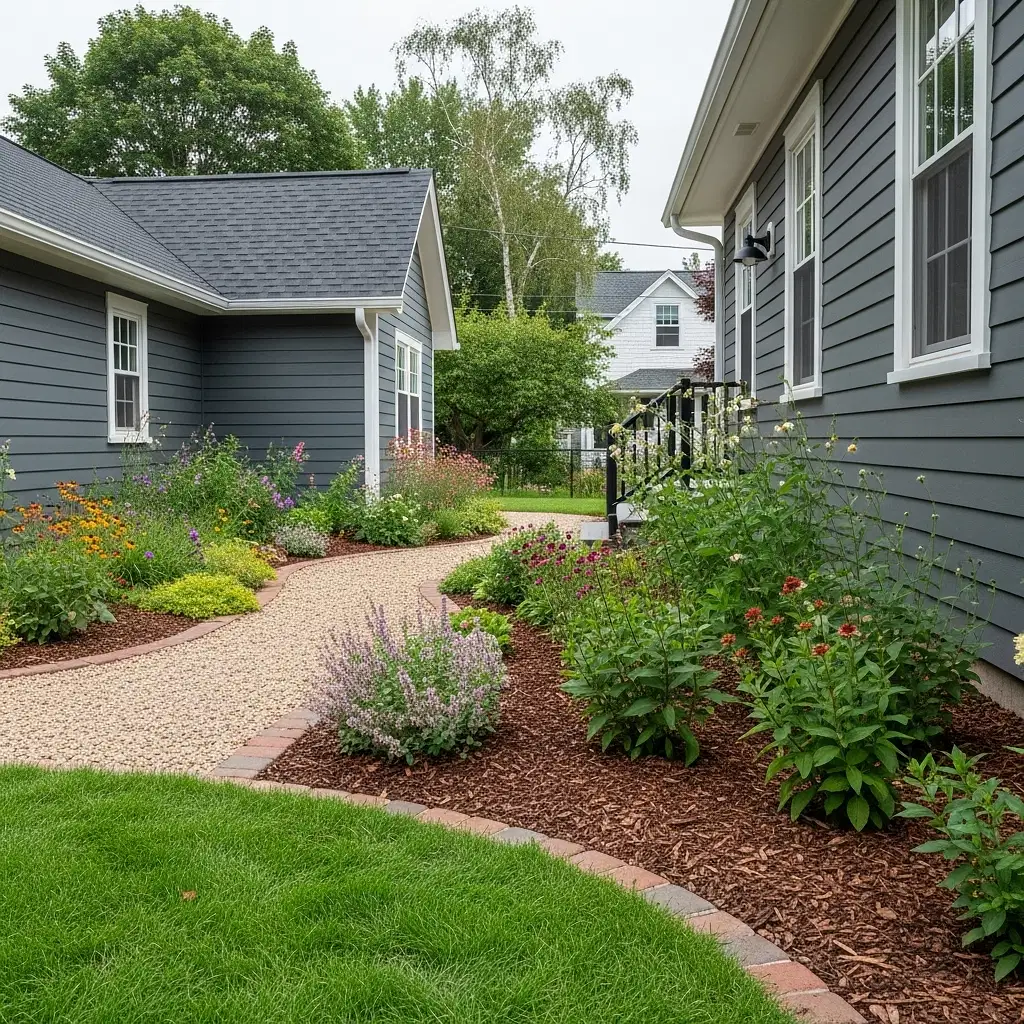
An ounce of prevention is truly worth a pound of cure when it comes to garden health. A strong, healthy plant is naturally more resistant to pests and diseases. The foundation of this strength lies in creating the right environment.
-
Build Healthy Soil: Here in Iowa, we often deal with heavy clay soil, sometimes called "gumbo." This type of soil can retain too much moisture and become compacted, stressing plant roots. Amending your soil with compost improves drainage and provides essential nutrients, creating a robust foundation for your plants.
-
Water Wisely: Most fungal diseases thrive in damp conditions. Water your plants deeply at the base in the morning, allowing the foliage to dry completely during the day. Avoid frequent, shallow watering, which encourages weak root systems and surface-level moisture.
-
Choose the Right Plants: Opt for disease-resistant cultivars and native prairie plants that are naturally adapted to our local climate. They require less intervention and are better equipped to fend off local pests and diseases. A well-planned landscape design can significantly reduce future maintenance and treatment needs.
-
Keep it Clean: Good sanitation is crucial. Remove and dispose of any diseased plant material promptly to prevent spores from spreading. A thorough seasonal property cleanup in the fall can remove overwintering pests and fungal spores, giving you a healthier start in the spring.
When to Call for Professional Help
DIY treatments can be effective for minor issues, but sometimes a problem requires professional expertise. If you’re seeing a widespread infestation, aren’t sure what you’re dealing with, or if the problem keeps coming back, it’s time to call for help.
A professional landscape and lawn care team offers several key advantages:
- Accurate Diagnosis: With years of experience, we can quickly and accurately identify the specific pest or disease, ensuring the correct treatment is applied.
- Effective Treatment Plans: We have access to and knowledge of a wider range of effective treatments, including targeted applications that are safer for your family, pets, and beneficial insects.
- Integrated Pest Management (IPM): We use an environmentally sensitive approach that focuses on long-term prevention. This means we don’t just spray and walk away; we look at the entire ecosystem of your yard to find a sustainable solution.
- Saving Time and Money: Misdiagnosing a problem can lead to wasting money on the wrong products and potentially harming your plants further. A professional gets it right the first time, protecting your landscape investment.
Protect Your Green Investment with Expert Care
A healthy, vibrant garden adds immense value and enjoyment to your home. While pests and diseases are a natural part of gardening, they don’t have to win. By focusing on proactive care, proper identification, and timely intervention, you can keep your landscape thriving.
If you’re facing a pest or disease problem that feels overwhelming, or if you simply want to ensure your Southwest Iowa property stays healthy year-round, MLC is here to help. Our team has the local knowledge and expertise to diagnose and manage any plant health issue. Contact us today to schedule a consultation and let us help you keep your landscape beautiful and resilient.