Is Thatch Suffocating Your Lawn? A Guide to Professional Dethatching for a Thicker, Healthier Iowa Lawn
Does your lawn look tired, thin, and a little brown, no matter how much you water or fertilize it? You might be doing everything right on the surface, but a hidden problem could be suffocating your grass from below. For many homeowners in Southwest Iowa, the culprit is excessive thatch. This dense layer of organic debris can prevent essential nutrients, water, and air from reaching the soil, leading to a weak and unhealthy lawn. At MLC, we understand the unique challenges of our local soils and climate. With over a decade of experience, we know that sometimes, the secret to a lush, green lawn isn't just what you add to it, but what you take away.
What is Thatch and Why is it a Problem?
Thatch is a tangled layer of dead and living organic matter—stems, roots, and grass clippings—that accumulates between the green blades of grass and the soil surface. A thin layer (less than half an inch) is actually beneficial; it acts as a natural mulch, conserving moisture and protecting the grass roots from temperature extremes.
However, when this layer becomes too thick, it transforms from a protective blanket into a suffocating barrier. This is especially common in our region, where heavy clay soil, often called gumbo, can lead to poor drainage and compaction, encouraging thatch buildup.
An excessive thatch layer can cause a host of problems:
- Blocks Water and Nutrients: It acts like a sponge, trapping water on the surface where it evaporates instead of soaking into the soil. Fertilizers and other treatments can get stuck in the thatch, never reaching the roots where they're needed.
- Encourages Pests and Disease: A thick, moist thatch layer is an ideal breeding ground for lawn diseases and harmful insects.
- Shallow Root Growth: Grass roots may start growing into the unstable thatch layer instead of deep into the soil, making your lawn less resilient to drought and stress.
- Reduces Oxygen Flow: Healthy soil needs to breathe. Thatch smothers the soil surface, cutting off the vital air exchange necessary for strong root development.
How to Tell if Your Lawn Has a Thatch Problem
Not sure if thatch is the source of your lawn's troubles? Here are a few simple ways to check. Answering yes to any of these questions suggests it's time to consider dethatching.
- Does your lawn feel spongy? Walk across your lawn. If it feels bouncy or spongy underfoot, you likely have a significant thatch layer.
- Is it hard to water? Do you notice water running off the surface instead of soaking in quickly? This is a classic sign that thatch is creating a barrier.
- Can you see the thatch? Get down close to the grass and pull a section apart. If you see a thick, matted layer of brown, fibrous material over an inch deep at the soil line, you have a problem.
- Is your grass thinning or weak? Despite your best efforts, if your lawn isn't growing thick and green, thatch could be starving it of the resources it needs to flourish.
The Solution: Professional Power Raking
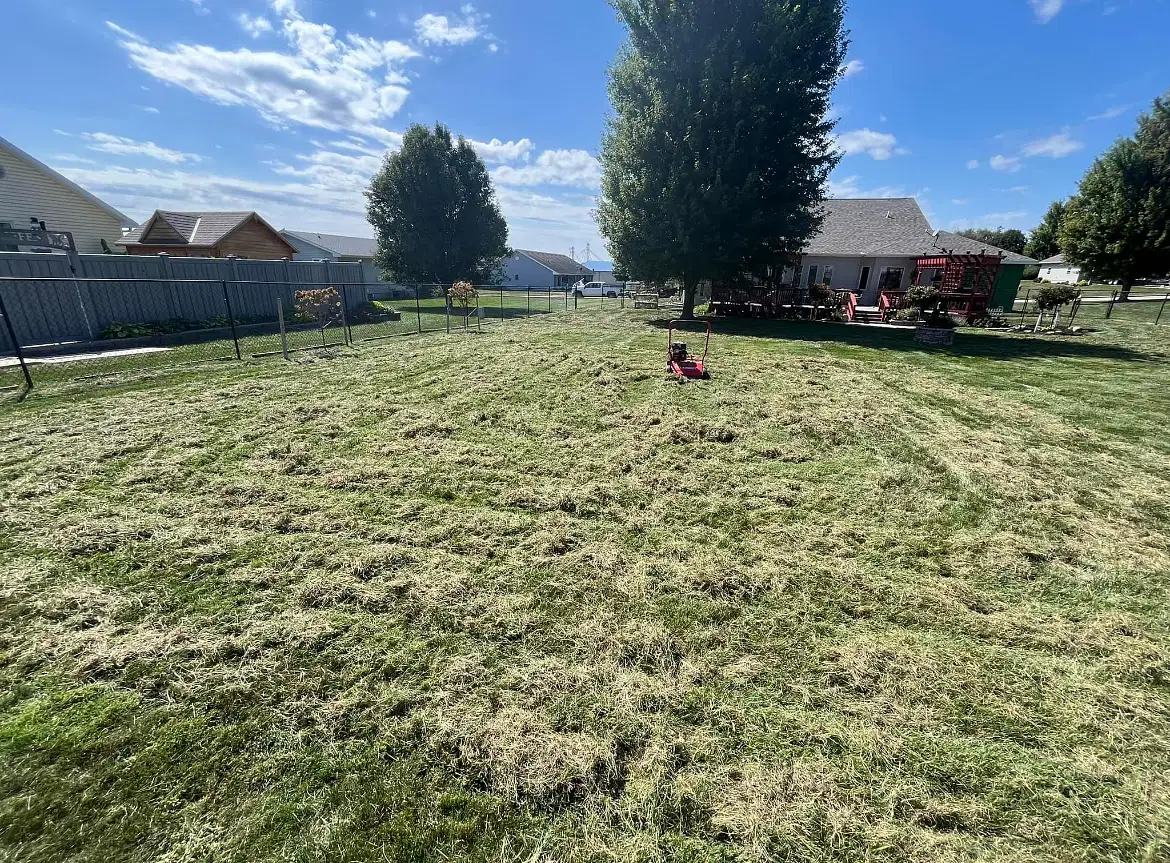
While a simple garden rake can handle light debris, tackling a thick thatch layer requires a more powerful approach. This is where professional dethatching, also known as power raking, comes in. A power rake is a specialized machine with rotating tines that dig down into the thatch layer, pulling the excess debris up to the surface without tearing up the healthy grass.
The benefits are almost immediate:
- Improved Air, Water, and Nutrient Flow: By removing the thatch barrier, you open up the lawn, allowing everything your grass needs to penetrate deep into the root zone.
- Stimulated Growth: Dethatching encourages the grass crowns to spread and produce new shoots, leading to a denser, thicker turf.
- Enhanced Effectiveness of Other Treatments: After dethatching, services like aeration and overseeding are far more effective, as the seed and air have direct contact with the soil.
At MLC, we use professional-grade equipment to ensure the job is done right. We carefully calibrate the depth to remove the problem thatch without damaging your lawn, a crucial step that requires experience and precision. After power raking, we perform a thorough property cleanup to remove all the collected debris, leaving your yard clean and ready to thrive.
Your Partner in Long-Term Lawn Health
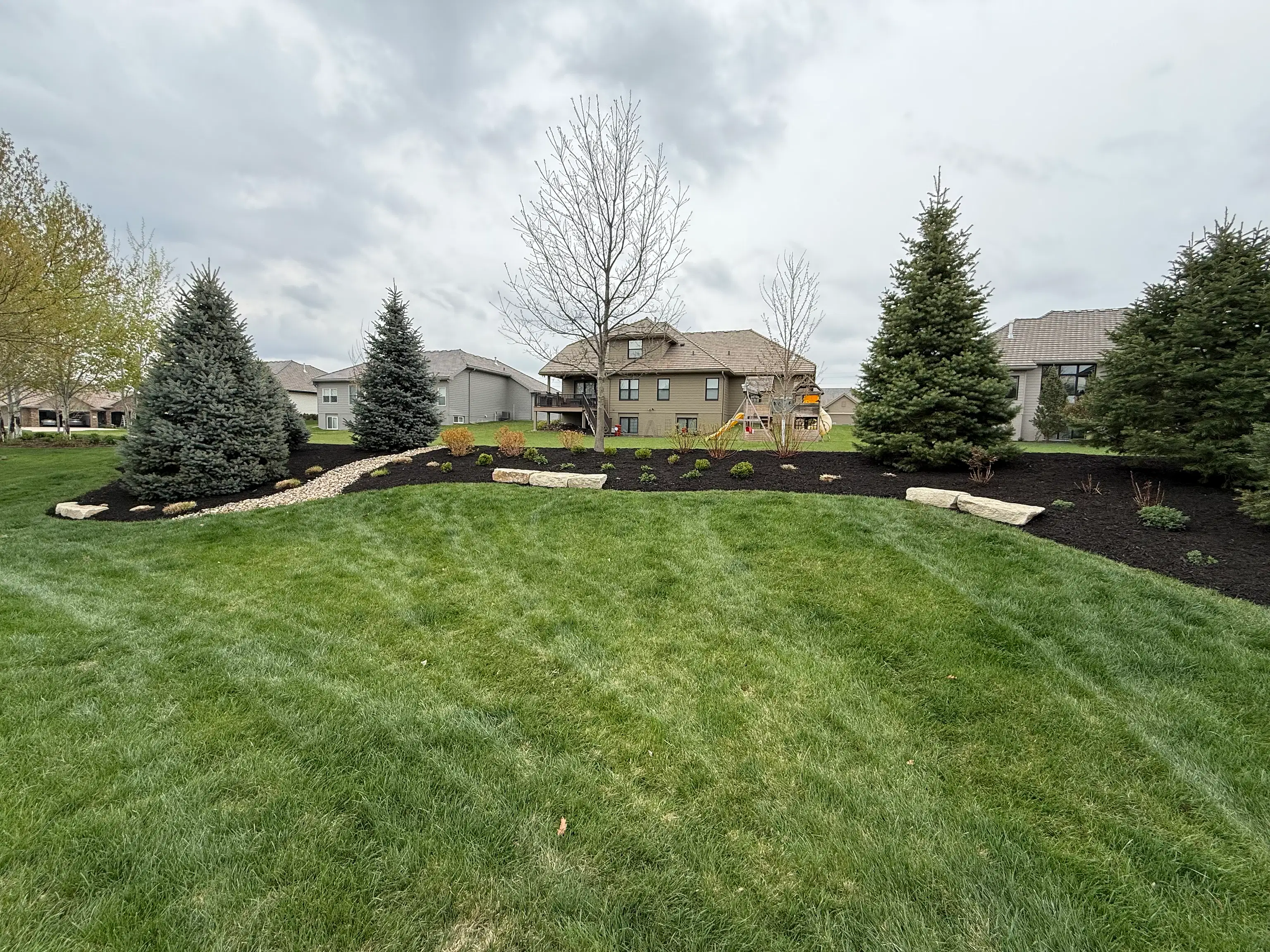
Achieving a beautiful lawn is a science, and dethatching is a critical step in the process. It’s more than just a one-time fix; it’s a key component of a comprehensive lawn care program designed to build a resilient, beautiful turf that can withstand Iowa's challenging seasons. Our commitment at MLC is to provide reliable, high-quality work that delivers real results. With over 130 five-star reviews, our reputation is built on customer service and a deep understanding of what it takes to make a landscape flourish.
Don't let a hidden layer of thatch keep you from having the lush, green lawn you deserve. Let our experienced team diagnose your lawn's health and create a plan to restore its vitality.
Ready to help your lawn breathe again? Contact us today for a free estimate and learn more about our dethatching and complete lawn care services for the Southwest Iowa community.