
Repairing Landscape Damage After Severe Windstorms
When a severe weather event rolls through, it can leave a trail of chaos in its wake. Whether it is a sudden summer squall or a powerful derecho, high-velocity winds can wreak havoc on your outdoor living spaces. For homeowners in Southwest Iowa, dealing with the aftermath of these storms is an unfortunate reality. You step outside and find branches scattered across the lawn, uprooted shrubs, and washouts that completely disrupt your property's natural flow.
Knowing how to repair storm damaged landscaping is crucial not just for restoring your home's curb appeal, but for preventing long-term structural or drainage issues. The key is to address the damage methodically, prioritizing safety and leaning on experienced professionals who understand how to build resilience back into your yard.
Assessing Yard Damage After High Winds
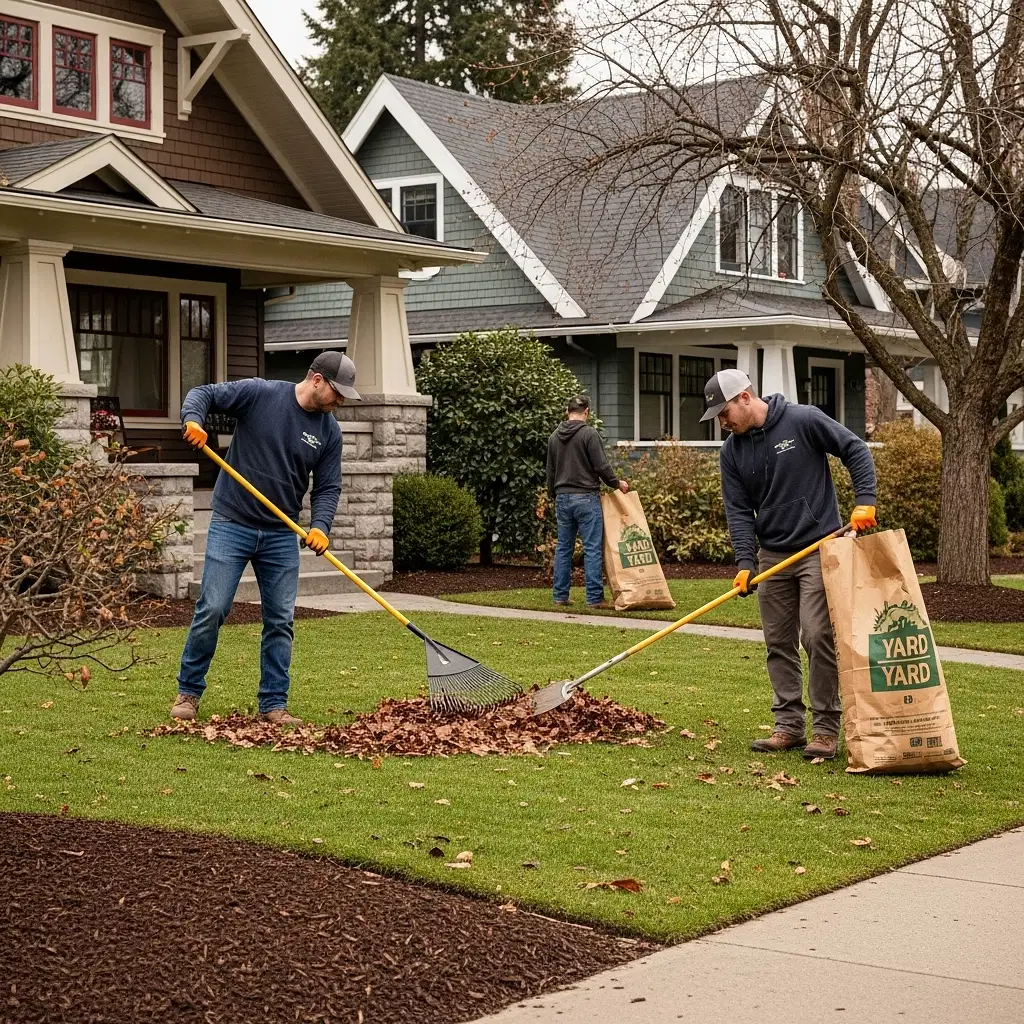
The first step after any severe weather event is a thorough evaluation of your property. Before you start clearing fallen tree branches and yard debris, always look up and around for hanging limbs or downed power lines. Safety should be your primary concern.
Once it is safe to walk the grounds, take inventory of the damage. Are your flower beds crushed? Did large tree limbs gouge the turf? Is there standing water accumulating near your foundation because the wind and rain disrupted your yard's natural slope? Identifying these issues early helps in creating a realistic timeline and budget for recovery. If the mess is overwhelming, scheduling a professional property cleanup is the most efficient way to get your yard back to baseline. Having a reliable crew handle the heavy lifting allows you to focus on the next steps of your property's recovery.
Correcting Drainage and Grading Issues
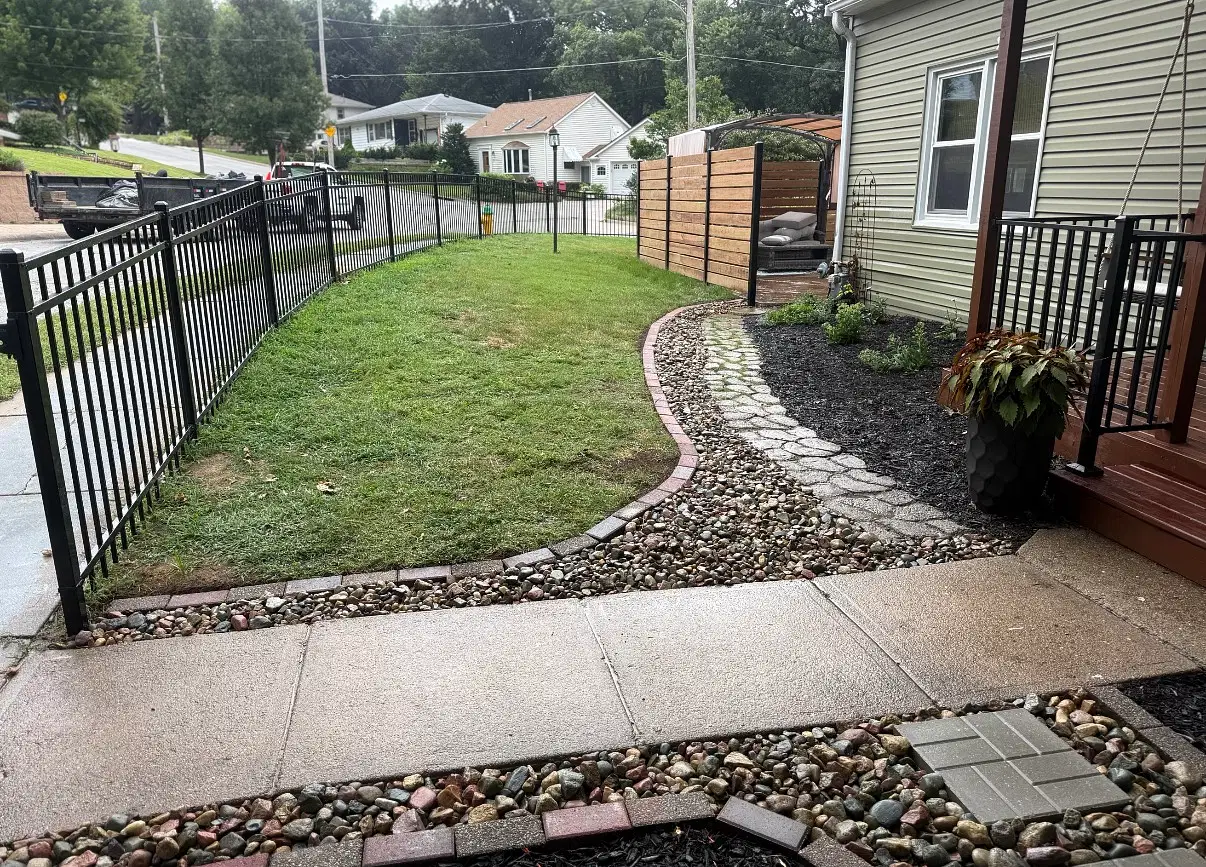
Severe windstorms rarely come alone; they are usually accompanied by torrential downpours. High winds can rip out mature root systems, leaving large divots in the earth, while heavy rains wash away topsoil. This combination can completely alter the grade of your property, leading to standing water that threatens your foundation and drowns your lawn.
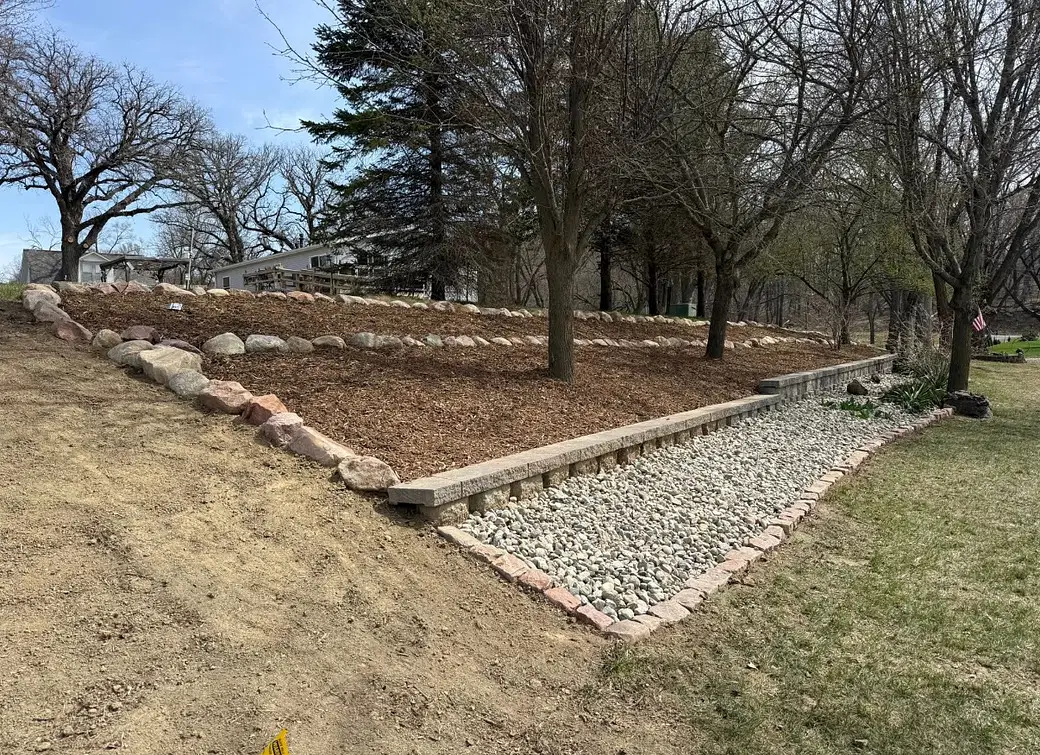
Addressing these structural changes requires more than just replacing a few plants. If the storm has altered the slope of your yard, particularly in unique terrains like the Loess Hills where soil stability is crucial, you may need professional land clearing and grading. Proper grading ensures that water is directed away from your home, protecting your investment and creating a stable canvas for new turf and gardens. Fixing yard drainage issues promptly prevents soil erosion and keeps your property safe from future weather events.
Restoring Flower Beds and Turf After Storms
Once the debris is cleared and the ground is properly leveled, the rewarding work of rebuilding begins. Restoring your outdoor space provides a perfect opportunity to upgrade your yard's resilience. When replacing lost shrubs or reviving battered garden beds, consider how the new layout will weather the next storm.
At MLC, our decade of experience working in this region has taught us a vital lesson: the importance of overbuilding our installations. We design and install landscaping features with longevity in mind, carefully selecting resilient plants and robust materials that can stand up to harsh weather. Whether it is redesigning a windbreak or simply patching up torn turf with high-quality sod, our focus is always on delivering quality work that lasts.
Moving Forward with Confidence
Storm damage can feel overwhelming, but with the right approach, your yard can bounce back stronger and more beautiful than before. By quickly clearing hazards, correcting underlying grading issues, and planting with the future in mind, you can protect your property from whatever nature throws its way next.
We pride ourselves on providing the kind of dependable customer service and "Iowa Nice" reliability that you expect from a neighbor. If your property needs a helping hand after a storm, reach out to MLC. Contact us today to schedule a consultation and let us help you restore your Southwest Iowa landscape to its full potential.