
Your Essential Spring Cleanup Checklist for a Thriving Southwest Iowa Landscape
The last of the snow is finally melting across Southwest Iowa, revealing the promise of a green, vibrant landscape. But after a long, harsh winter, our yards often need a little help waking up. Getting a head start with a thorough spring cleanup is the single most important step you can take to ensure a healthy, beautiful lawn and garden for the entire season. It sets the stage for lush growth, vibrant blooms, and enhanced curb appeal.
Feeling overwhelmed by the task ahead? Don't be. We've created a comprehensive checklist to guide you through the process, transforming your post-winter yard into an outdoor space you'll love. At MLC, we believe in quality work and reliable service, and that starts with sharing our expertise to help our neighbors succeed.
Step 1: The Great Post-Winter Tidy-Up
Before you can focus on new growth, you need to clear away what winter left behind. This initial cleanup is crucial for preventing pests and diseases and allowing sunlight and air to reach the soil and emerging plants. Think of it as creating a clean canvas for the season ahead.
- Clear Debris: Walk your entire property and pick up fallen branches, twigs, and any other debris that has accumulated. Pay special attention to garden beds where matted leaves can smother delicate perennials.
- Rake with Care: Once the ground is no longer soggy, gently rake leaves and dead grass from your lawn and garden beds. Raking too early on wet ground can pull up healthy grass shoots and compact the soil.
- Inspect for Damage: Take a close look at your trees and shrubs. Note any branches that were broken by heavy snow or ice. These will need to be pruned to prevent further damage and encourage healthy new growth.
- Edge Your Beds: Use a spade or edger to redefine the borders of your flower beds and walkways. This simple step creates a crisp, professional look that instantly improves your landscape's appearance.
A thorough property cleanup can be labor-intensive, but it's the foundation for everything that follows.
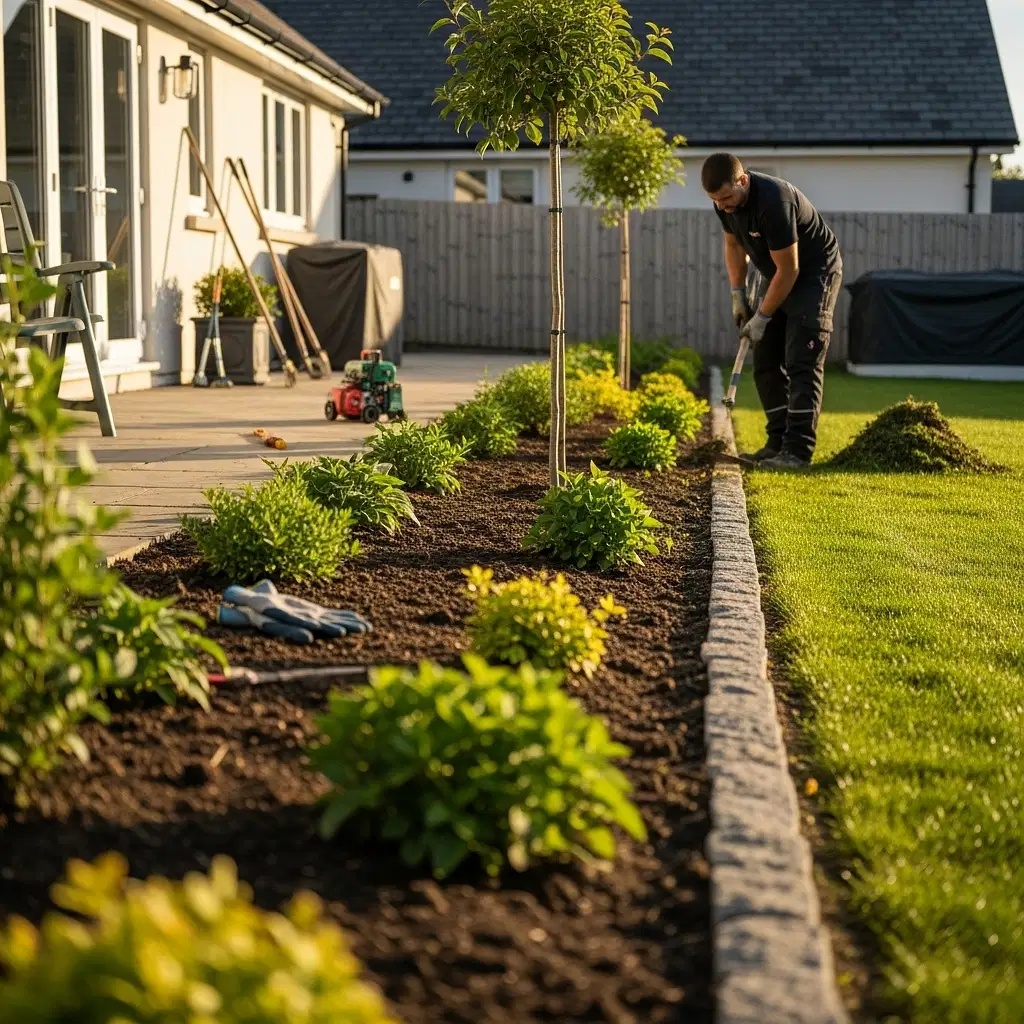
Step 2: Waking Up Your Lawn for a Lush Season
Your lawn is the centerpiece of your landscape, and it needs specific care to recover from winter dormancy and grow thick and green. The key is to improve the flow of air, water, and nutrients to the grassroots.
- Assess Your Thatch: Thatch is a layer of dead grass and roots that builds up between the soil and the green grass blades. A thin layer is fine, but if it's more than half an inch thick, it can choke your lawn. Dethatching, a process of vigorously raking it out, may be necessary.
- Consider Aeration: Over time, soil can become compacted, especially in high-traffic areas. Core aeration removes small plugs of soil, which reduces compaction and allows oxygen, water, and fertilizer to penetrate deeper into the root zone. It’s one of the best things you can do for long-term lawn health.
- The First Mow: For the first mow of the season, set your mower blades to a high setting. Cutting the grass too short too early can stress the plant as it's trying to grow. You only want to trim the very top of the blades.
- Fertilizing and Weed Control: Early spring is the ideal time to apply a pre-emergent herbicide to prevent crabgrass and other weeds from germinating. A balanced, slow-release fertilizer will provide the essential nutrients your lawn needs to green up and grow strong. A consistent lawn care program is the secret to a beautiful yard all summer.
Step 3: Prepping Garden Beds for Planting Success
With the cleanup done, it's time to prepare your garden beds for a season of vibrant color and growth. Healthy soil is the key to healthy plants.
- Weed Thoroughly: Remove any weeds that have survived the winter. Getting them now before they have a chance to go to seed will save you a lot of work later.
- Amend the Soil: Our soil here in the Loess Hills region has its own unique challenges. To improve its structure and fertility, work a generous layer of compost or other organic matter into the top 6-8 inches of your garden beds. This improves drainage, adds vital nutrients, and helps the soil retain moisture during dry spells.
- Apply Fresh Mulch: Once your beds are weeded and amended, apply a 2-3 inch layer of fresh mulch around your plants. Mulch is a gardener's best friend—it helps retain soil moisture, suppresses weed growth, and gives your entire landscape a finished, unified look.
Properly preparing your beds is a critical part of any successful landscaping project, ensuring your new plants have the best possible start.
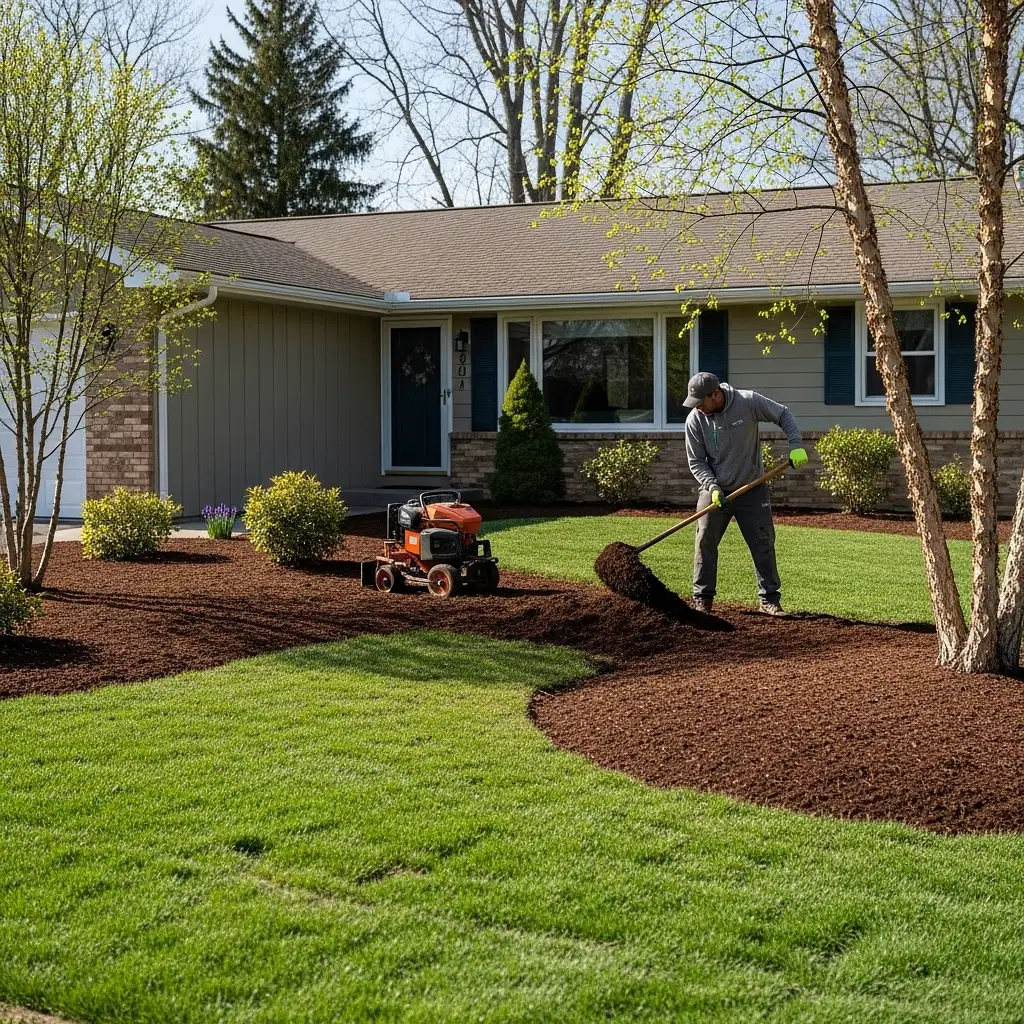
Your Partner in Spring Landscaping
A proper spring cleanup does more than just make your yard look nice—it promotes the long-term health and vitality of your entire landscape. By clearing away winter debris, caring for your lawn, and preparing your garden beds, you're creating an environment where plants can thrive, increasing your home's curb appeal and giving you an outdoor space you can be proud of.
We know that life gets busy, and finding the time and energy for this essential work can be a challenge. With over 10 years of experience and more than 130 five-star reviews, MLC is here to help. Our team provides reliable, high-quality seasonal cleanup services to get your Southwest Iowa property ready for the season. Let us handle the hard work so you can simply enjoy a beautiful, healthy yard.
Ready to get your landscape in shape for spring? Contact us today for a free estimate!